


Topkapı Palace & Imperial Tombs Afternoon Tour in Old Istanbul
Tour Detail
This half-day afternoon tour focuses on the Ottoman dynasty in the old city, from the palace where the sultans ruled to the tombs where several of them rest. Pickup from your hotel area starts around 12:30.
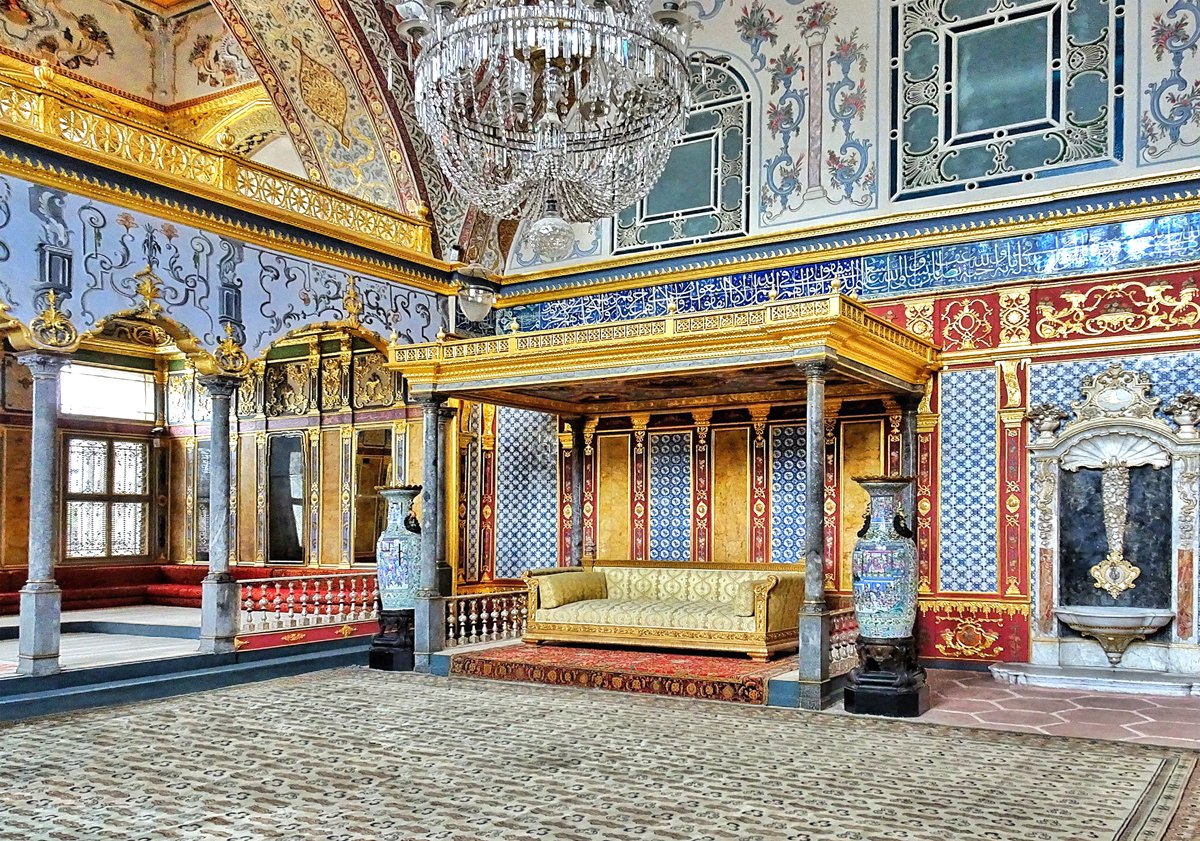
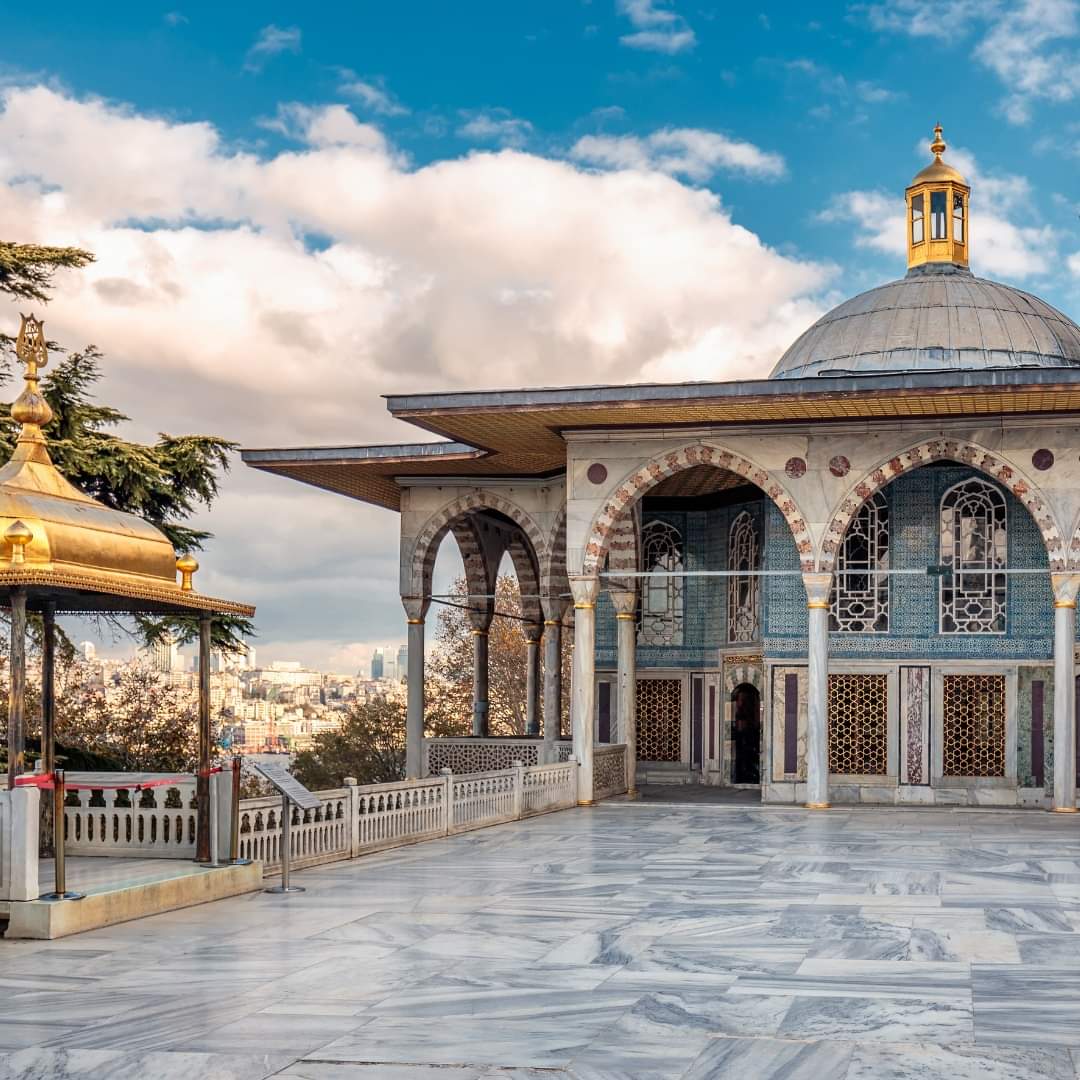
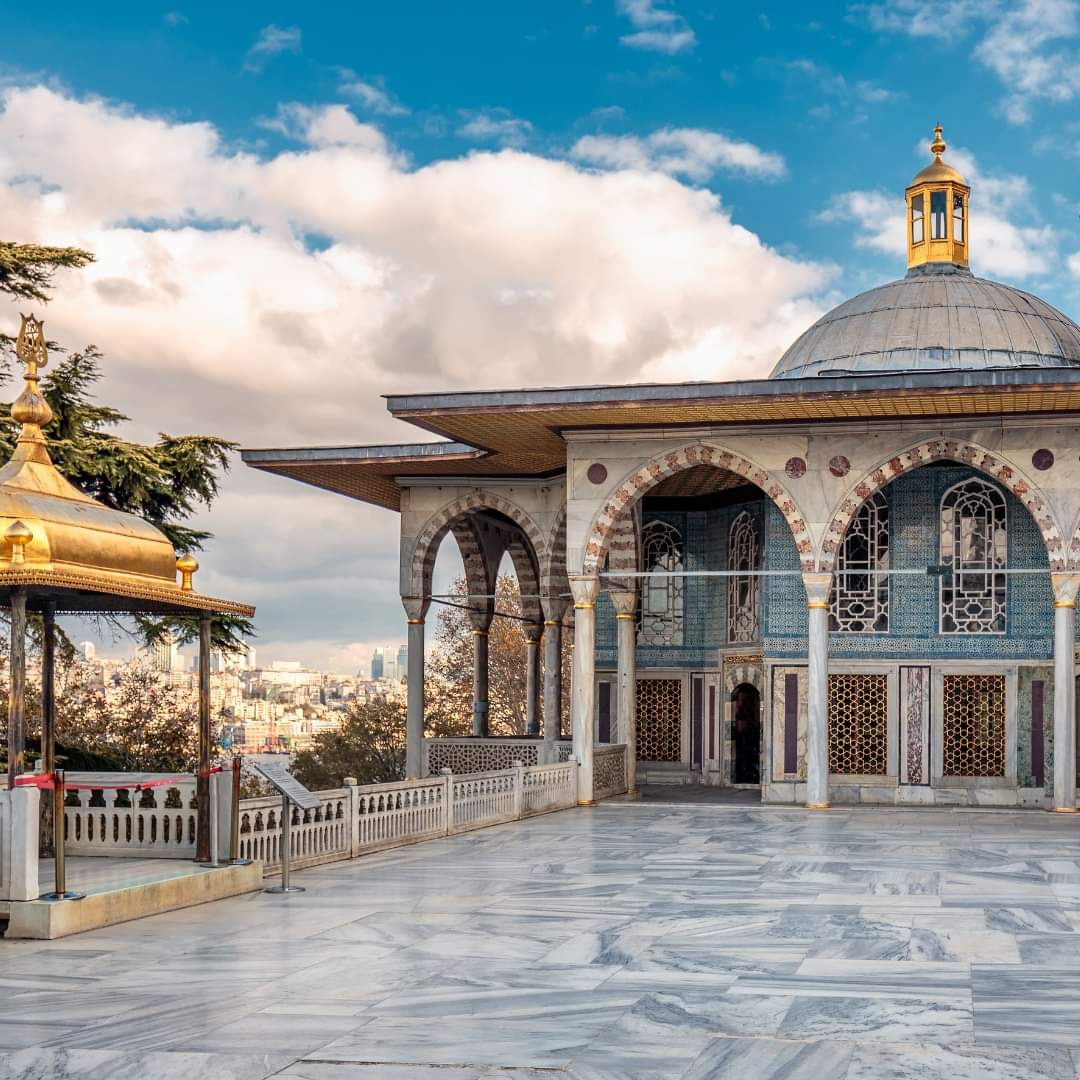
Topkapı Palace, seat of an empire
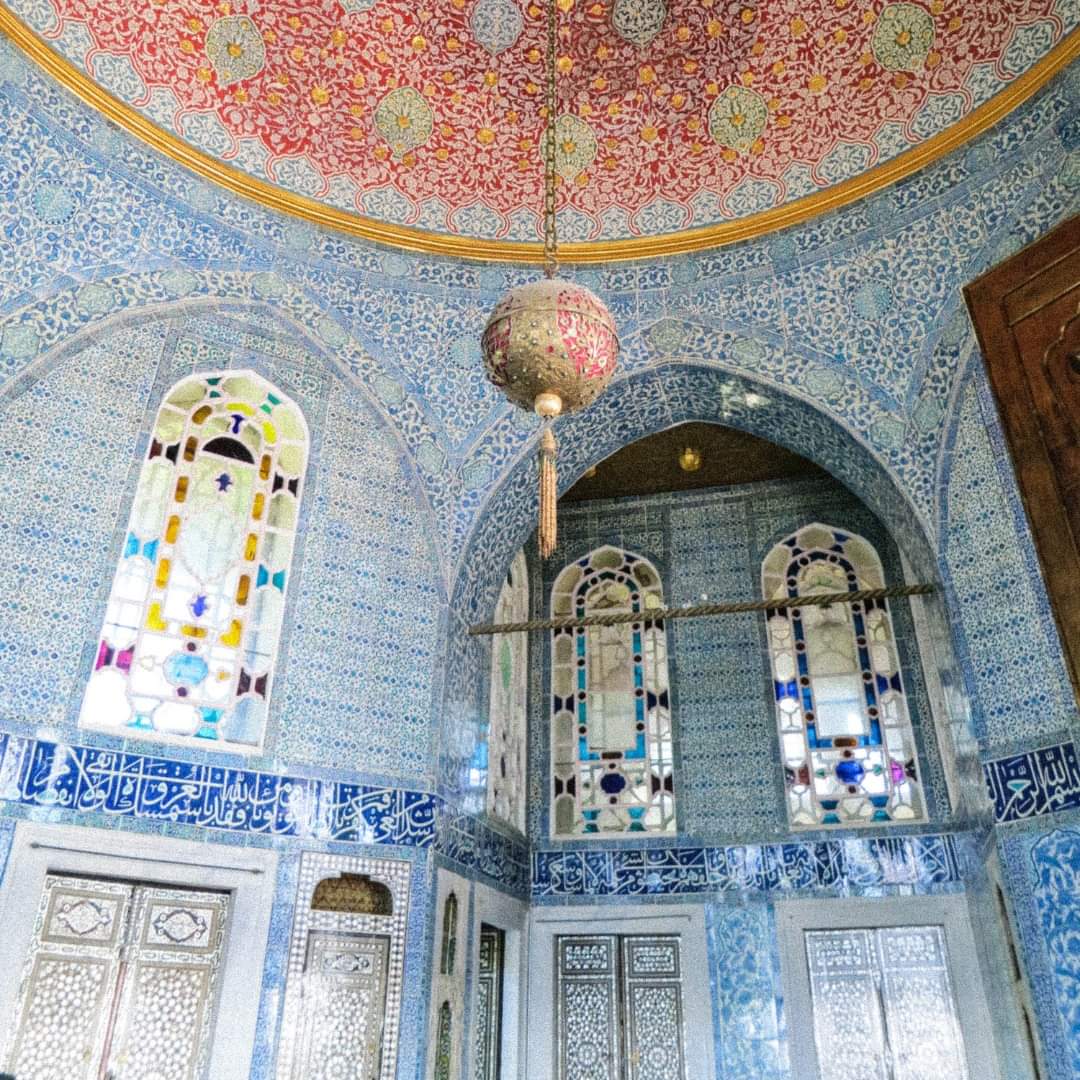
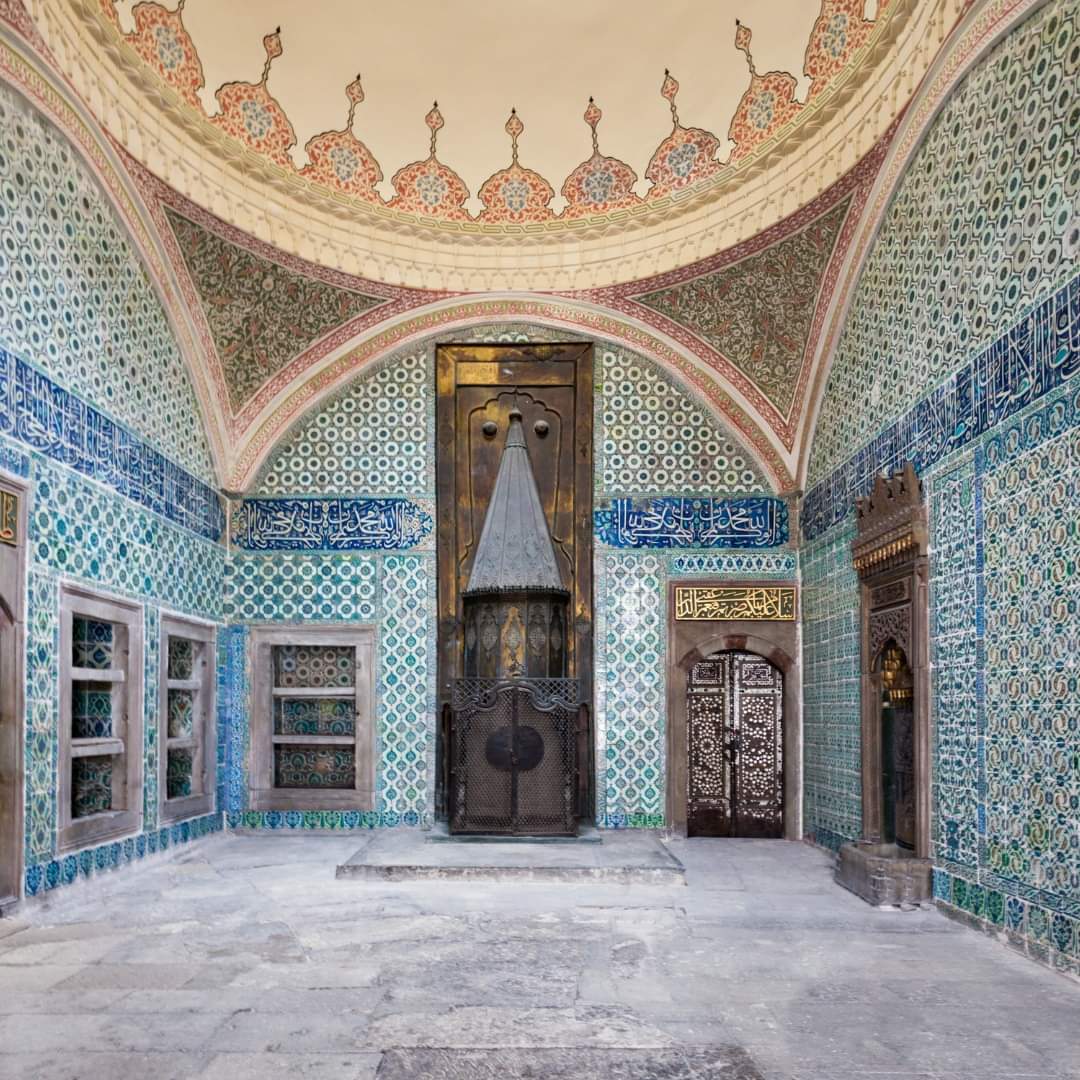
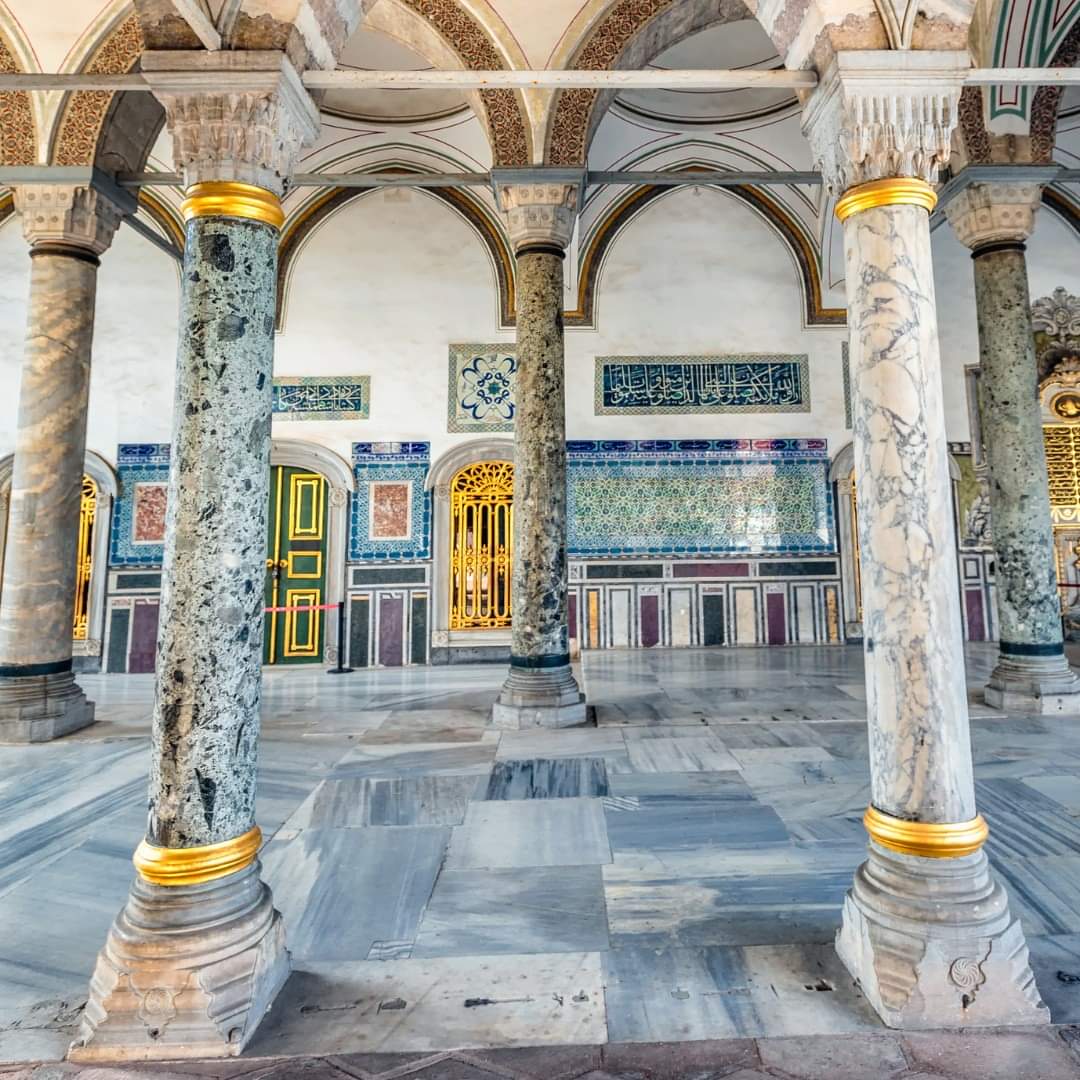
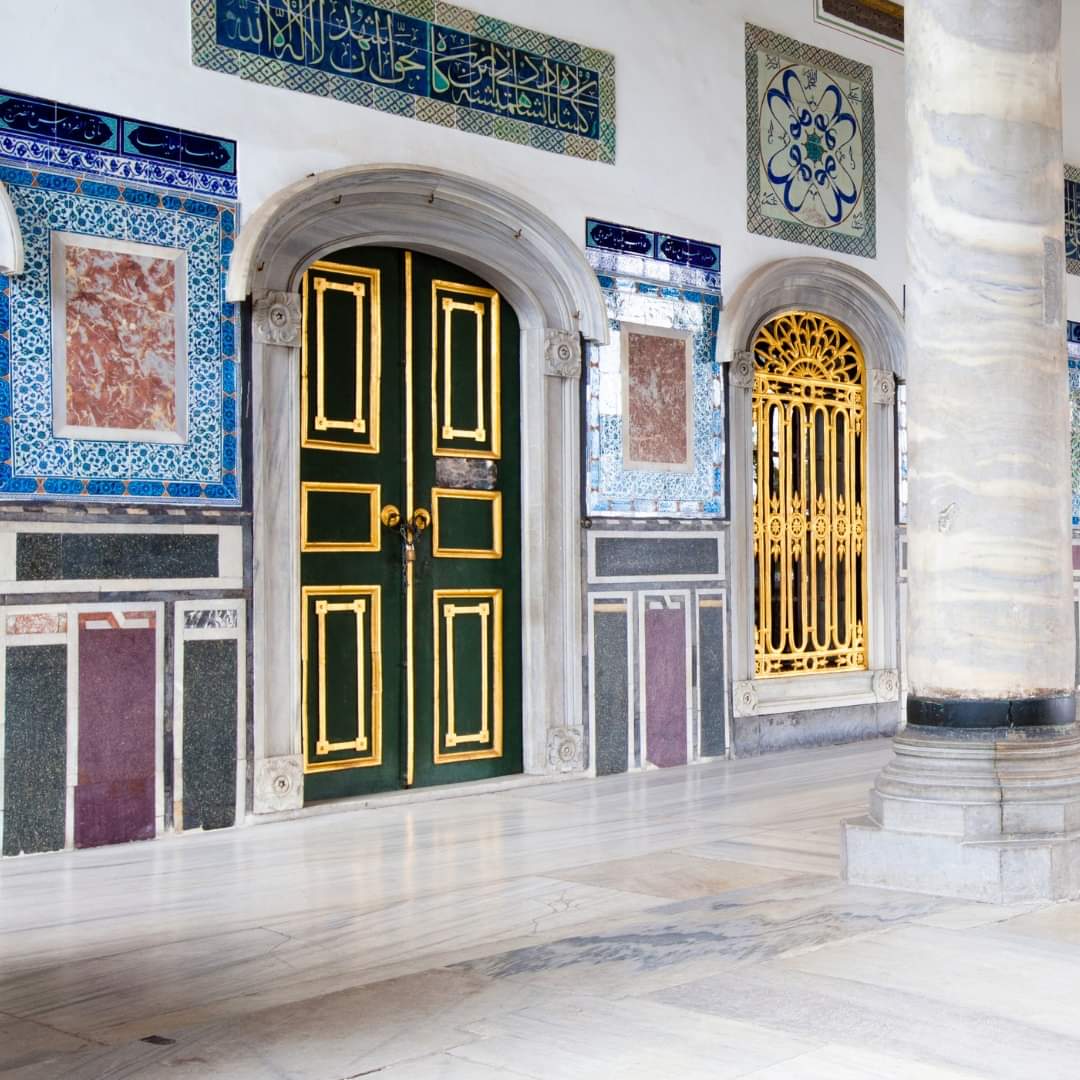
Sultan Mehmed II, the conqueror of Constantinople, completed Topkapı Palace in 1478. For roughly 400 of the six centuries of Ottoman rule, it served as both the royal residence and the administrative heart of the state, and today it forms part of a UNESCO World Heritage Site.
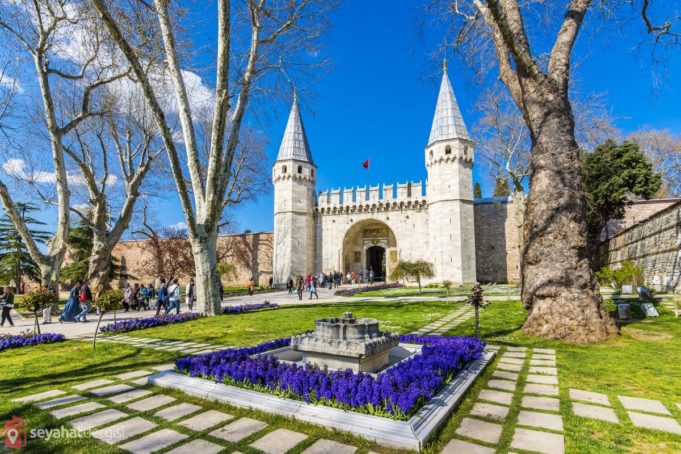
Your visit leads through the Imperial Gate (Bab-ı Hümayun), the First Courtyard and the Gate of Salutation (Babüsselam). Inside, the collections bring the dynasty to life: swords, armor, shields and ceremonial robes worn by the sultans, Islamic calligraphy, murals and miniature paintings, fine porcelain, and the glittering imperial treasury. The palace also safeguards the Sacred Relics, a revered collection of belongings attributed to the Prophet Muhammad and the prophets who came before him.
The Sultan Tombs at Hagia Sophia
Five imperial mausoleums stand in the burial ground of Hagia Sophia. Sinan, the most celebrated Ottoman architect, created the tomb of Sultan Selim II, widely admired as one of the most beautiful, as well as the tombs of the princes. Another is counted among the largest Ottoman tombs, and a third surprises visitors with painted stars, flowers and landscapes, quite unlike the classical decoration of its day.
Sultan Ahmet Mosque
Commissioned by Sultan Ahmet I and designed by Sedefkâr Mehmed Ağa, the Sultan Ahmet Mosque is one of the most magnificent buildings in Istanbul. Its interior shimmers with blue, green and white Iznik tiles, and the blue painted decoration of its domes inspired the name most visitors know it by: the Blue Mosque. It is also famous for its six minarets.
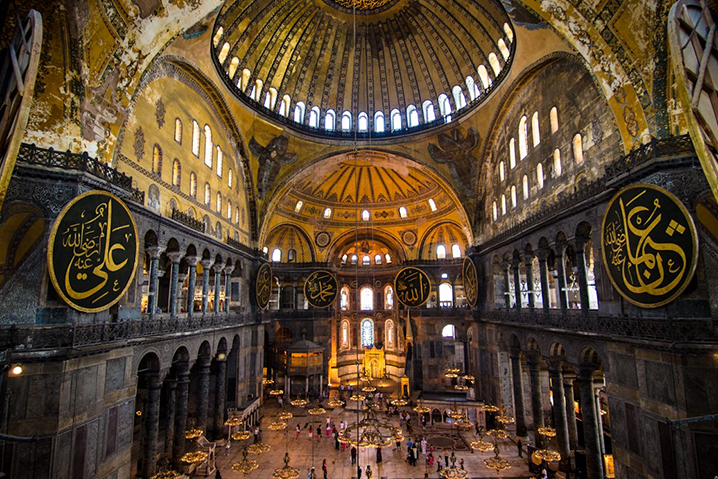
Hagia Sophia
Its name means "Holy Wisdom" in Greek. Emperor Justinian I began building Hagia Sophia as the patriarchal cathedral in 532, and remarkably it was finished within five years. After the conquest of Istanbul in 1453, Sultan Mehmed II converted it into a mosque and had it restored. Its enormous dome, the largest of its era, fell several times during the Byzantine period, but once Mimar Sinan reinforced the building with supporting structures in the Ottoman era, it never collapsed again.
Tour notes
- Afternoon departure with hotel pickup between 12:30 and 13:30, depending on your district.
- Please share your hotel name, address and room number when booking.
What's Included
- Hotel pickup from central Istanbul districts
- Visit to Topkapı Palace
- Visit to the Sultan Tombs at Hagia Sophia
Tour Program
12:30–13:30 – Hotel pickup
Pickup from your hotel; the exact time depends on your district.
Topkapı Palace
Explore the Imperial Gate, the First Courtyard and the Gate of Salutation, the sultans' arms and robes, the treasury and the Sacred Relics.
Sultan Tombs
Visit the five imperial mausoleums in the burial ground of Hagia Sophia, including Sinan's tomb for Selim II.
Sultan Ahmet Mosque
See the Iznik-tiled interior and six minarets of the Blue Mosque.
Hagia Sophia
Discover the story of Justinian's great domed building, completed within five years of its start in 532.
Vehicle Departure Points and Times 11 departure points · First departure 13:00
- 13:00 Aksaray
- 12:30 Bakırköy
- 12:45 Beşiktaş
- 12:45 Eminönü
- 12:45 Fatih
- 12:45 Karaköy
- 12:45 Ortaköy
- 12:45 Sirkeci
- 12:45 Sultanahmet
- 13:00 Taksim
- 12:30 Şişli
General Information
- Afternoon tour with pickup between 12:30 and 13:30, depending on your district
- Please provide your hotel name, address and room number when booking
What to bring with you?
- Modest clothing covering shoulders and knees for mosque visits
- Headscarf for women for mosque visits
- Comfortable walking shoes
- Book Now & Pay Later. · Make your reservation now, pay anytime before the tour starts.
Departure Points
- Aksaray
- Bakırköy
- Beşiktaş
- Eminönü
- Fatih
- Karaköy
- Ortaköy
- Sirkeci
- Sultanahmet
- Taksim
- Şişli